Blog ·
When Should You Repair vs. Replace Your Windshield?
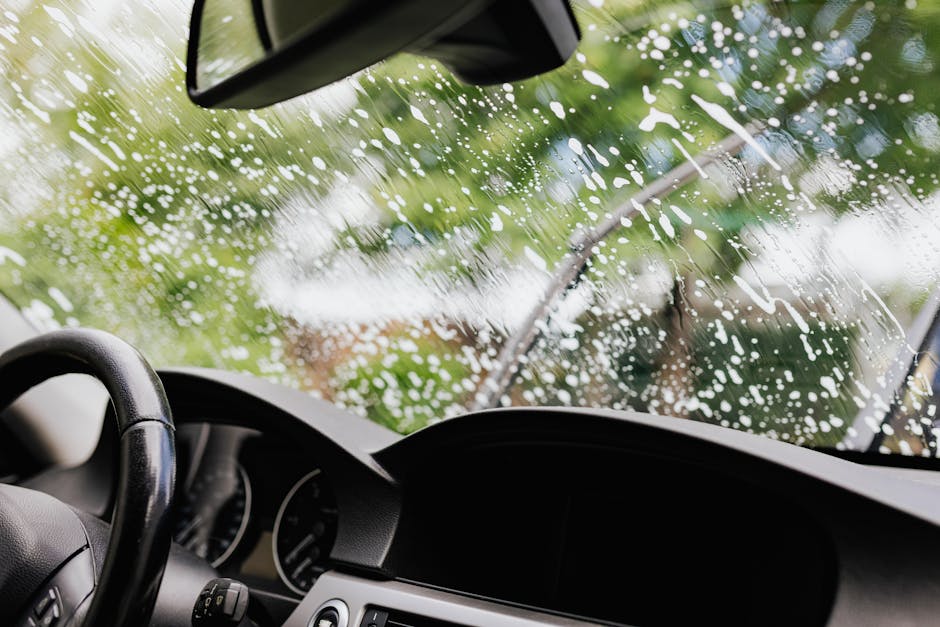
Your windshield is more than just a clear panel protecting you from wind and debris. It's a critical safety component of your vehicle that contributes to structural integrity and airbag deployment in an accident. When damage occurs, the decision between repair and replacement depends on several factors that affect both safety and longevity.
Small chips and cracks can often be repaired successfully, especially if caught early. A repair involves injecting specialized resin into the damaged area, which hardens to restore clarity and structural strength. However, not all damage qualifies for repair. The size, location, and type of damage all matter significantly.
Chips smaller than a quarter and cracks less than 12 inches long are typically candidates for repair. The damage must also be away from the driver's line of sight—the area directly in front of the steering wheel where visibility is critical. Damage near the edges of the windshield or along the frame line is harder to repair properly and may require replacement instead.
Safety is the primary consideration when deciding between repair and replacement. If a crack is in your direct line of sight or affects structural integrity, replacement is the safer choice. A properly installed replacement windshield maintains your vehicle's structural rigidity, which is crucial for roof support and airbag performance. A compromised windshield may fail during an accident, leaving you more vulnerable to injury.
The location of damage also matters for installation purposes. Damage within 6 inches of the edge is problematic because the adhesive bond that holds the windshield to the frame may be compromised. Similarly, damage on the passenger side near where an airbag deploys requires careful assessment by a professional.
Another factor is how quickly you address the issue. A small chip can spread into a large crack within days due to temperature changes and road vibration. Early repair prevents escalation and saves time. If a crack reaches more than 14 inches or spans the full width of the windshield, replacement becomes necessary.
Professional assessment is essential before making any decision. Technicians can evaluate the damage's location, size, and trajectory to determine whether your windshield can be safely repaired. Weather conditions also accelerate damage—extreme heat and cold cause glass to expand and contract, worsening existing cracks.
The bottom line: address windshield damage promptly. Early intervention often means repair is possible, saving time and expense. However, never compromise on safety. If there's any doubt about whether repair is safe, replacement is the better choice. Your vision and structural safety are worth prioritizing.